Sober Tracker: 8 Best Sobriety Apps to Count Days (2026)
Looking for a sober tracker to count your days and stay motivated? The best picks in 2026 are I Am Sober, Sober Time, Nomo, Loosid, Reframe, Sunnyside, Try Dry, and EasyQuit's sobriety counter. Each one counts your sober days. Several add milestones, journaling, or a supportive community. Some are free, some are paid, and a few keep your data on your phone.
The right app depends on your goals, your recovery path, and how much community you want. This guide compares all eight side by side, then walks through who each one fits. You can pick in a few minutes.
What a sober tracker does
A sober tracker is an app that counts the time since your sober date. Most show a running total of days, weeks, or months. The number is simple, but watching it grow can be a real source of motivation.
Beyond the day count, the better apps add tools that support the daily work of staying sober.
Day counter. The core feature. You set a start date, and the app tracks your streak from there. Any day counter app can count the days since a date; a sobriety app adds milestones and support around that number.
Money and health milestones. Some apps estimate money saved or health gains over time. Many also mark milestones like 30, 90, or 365 days with a badge or note. For a quick estimate without an app, our free sobriety calculator counts your sober days and the money saved since your quit date.
Community. A few apps include forums, group chats, or peer support, so you are not doing this alone.
Urge and craving tools. Some add a "pledge" button, breathing exercises, journaling prompts, or a list of your reasons to stay sober for the hard moments.
A note before you choose
An app is a helpful companion, not a treatment plan. A sober tracker can keep you motivated and organized, but it does not replace professional care, therapy, or peer support.
Recovery is personal, and reaching out is a sign of strength. If you want help, talk to a doctor or a licensed counselor. In the US, the SAMHSA National Helpline (1-800-662-4357) offers free, confidential support 24/7. Mutual-aid groups, both faith-based and secular, can also be a steady source of community. Use the apps below to support that bigger picture, not to stand in for it.
Sober tracker apps compared
Here is the full comparison across all eight apps. Use it as a quick filter, then read the deeper write-ups below for the ones that fit your shortlist.
| App | Platforms | Free tier | Best for | Price |
|---|---|---|---|---|
| I Am Sober | iOS, Android | Yes | Day counting + daily pledge | Free + optional premium |
| Sober Time | iOS, Android | Yes | Simple counter + community | Free + optional premium |
| Nomo | iOS, Android | Yes | Multiple clocks + accountability | Free |
| Loosid | iOS, Android | Yes | Sober social network + events | Free + optional premium |
| Reframe | iOS, Android | Trial | Cutting back on alcohol, science-based | Subscription |
| Sunnyside | iOS, Android, Web | Trial | Mindful drinking, not full sobriety | Subscription |
| Try Dry | iOS, Android | Yes | Tracking units, money, and calories | Free |
| EasyQuit sobriety counter | Android | Yes (with ads) | Alcohol-focused day counter | Free + separate paid edition |
A few patterns stand out. For a free counter with no strings, Nomo and Try Dry cost nothing. If community matters most, Loosid and Sober Time lean that way. And if your goal is cutting back rather than full abstinence, Reframe and Sunnyside are built for that.
The 8 best sober tracker apps in 2026
1. I Am Sober — best for day counting plus a daily pledge
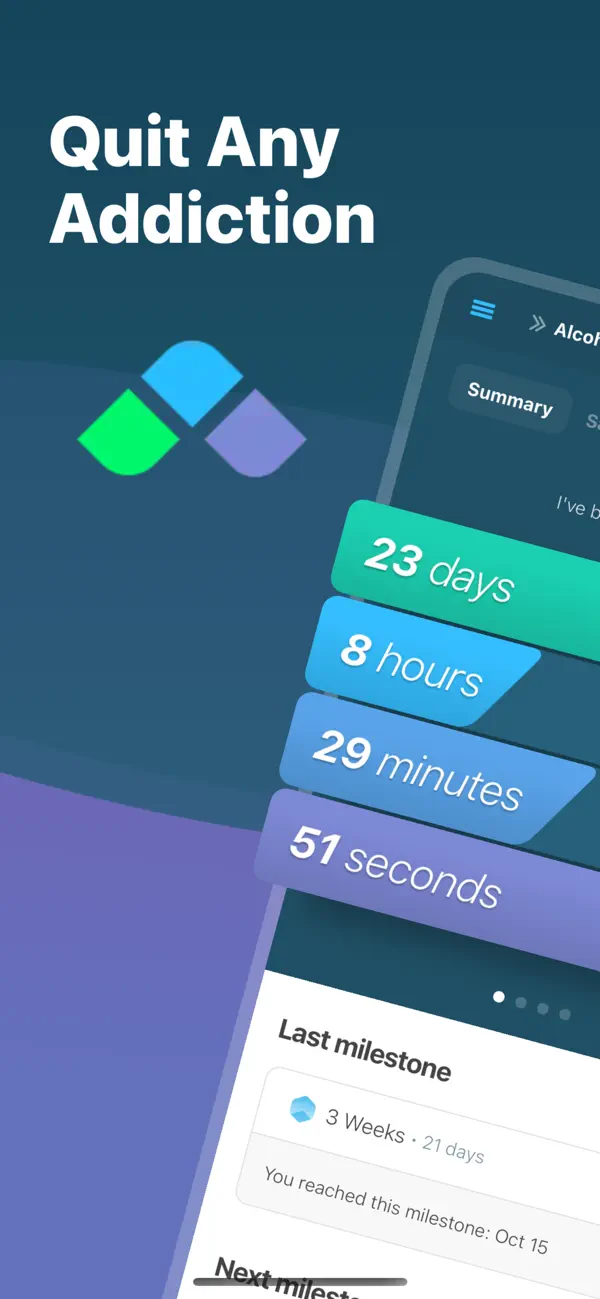
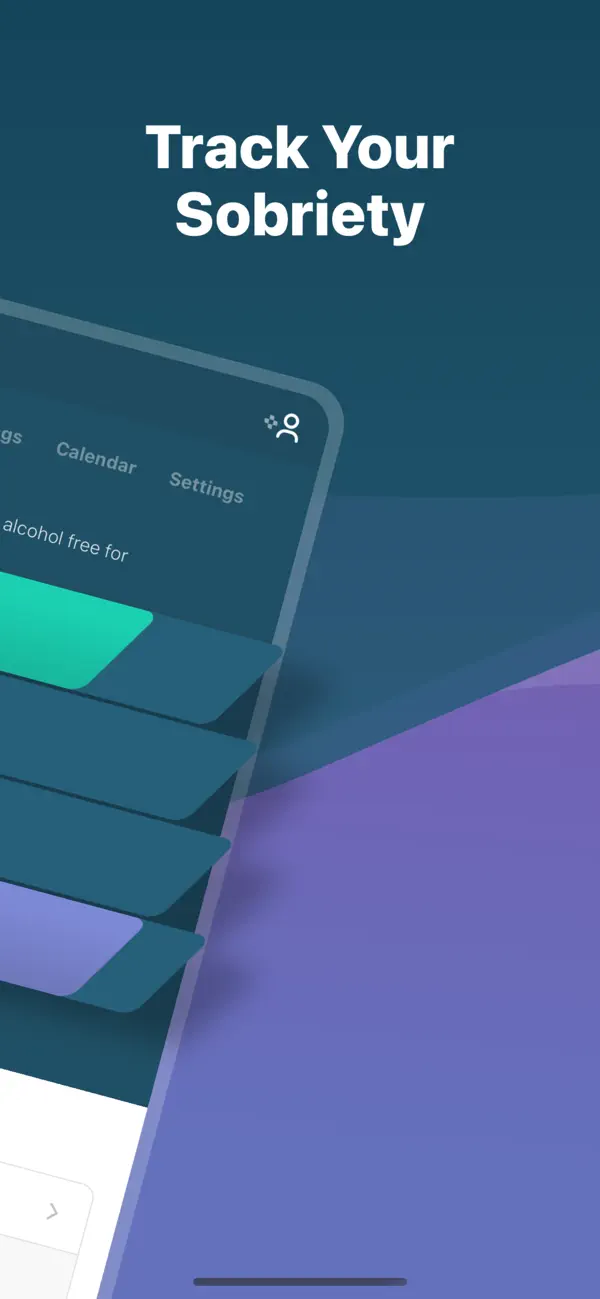
I Am Sober is one of the most widely used sobriety apps. It counts your sober days and lets you make a daily pledge to stay on track, a small morning ritual many people find anchors the rest of their day.
The app supports any addiction, not just alcohol, and it includes milestone celebrations and a community feed. The free version covers the basics, with an optional premium upgrade that adds extra features. If cigarettes are your main goal, a dedicated quit smoking app also counts the cigarettes you have not smoked.
Price (US App Store / Google Play, checked October 2026): free to download, and its listing says the app "is free to use." The optional Sober Plus subscription costs $9.99 a month, $27.49 for six months, or $29.99–$39.99 a year on the App Store. Google Play lists in-app purchases from $0.99 to $74.99 per item.
Best for: People who want a clean day counter paired with a daily intention ritual.
2. Sober Time — best for a simple counter with community
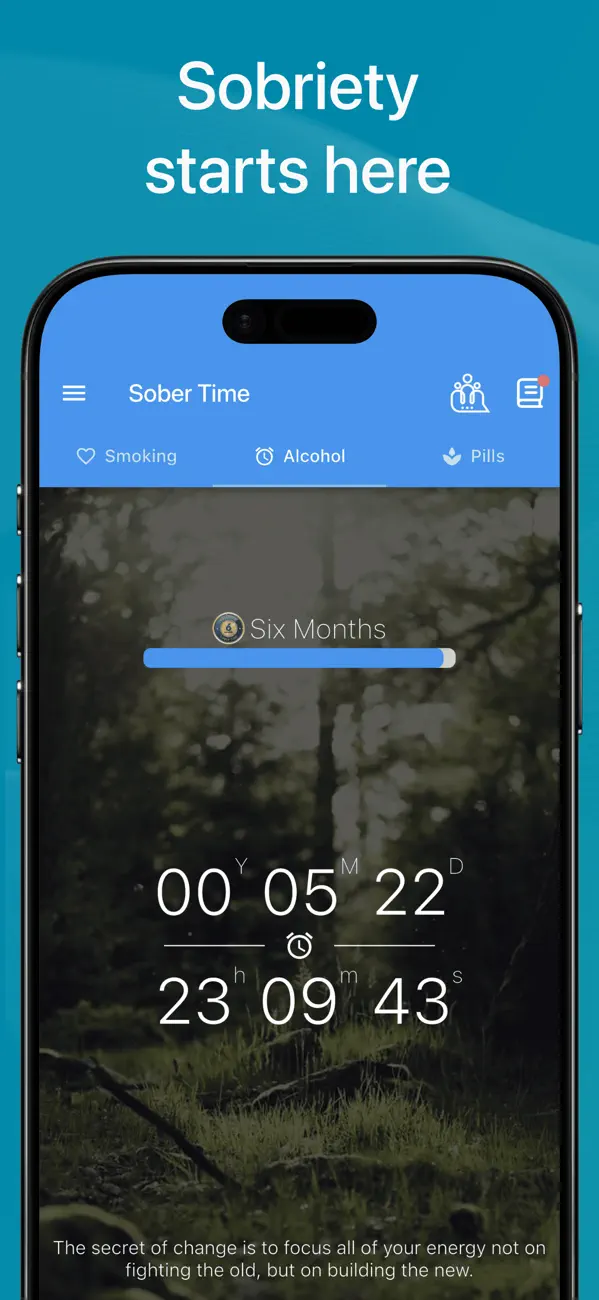
Sober Time keeps the main screen focused on one thing: how long you have been sober. The counter is large and clear, and you can track several goals at once.
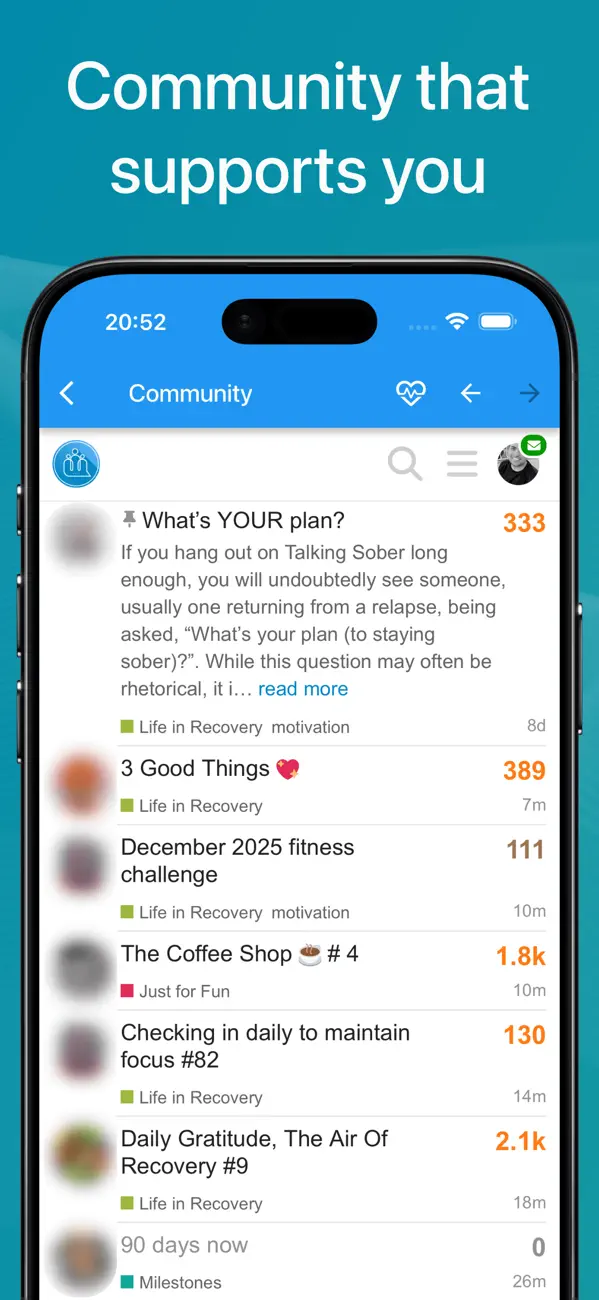
It also has a community section where members share encouragement and milestones. The free version covers the basics, and a premium tier removes ads and adds extras.
Price (US App Store / Google Play, checked October 2026): free to download. Premium costs $4.99 a month or $29.99 a year on the App Store. The Google Play listing carries a "Contains ads" badge and lists in-app purchases from $0.99 to $29.99 per item.
Best for: People who want a straightforward counter with an optional supportive community.
3. Nomo — best for multiple clocks and accountability
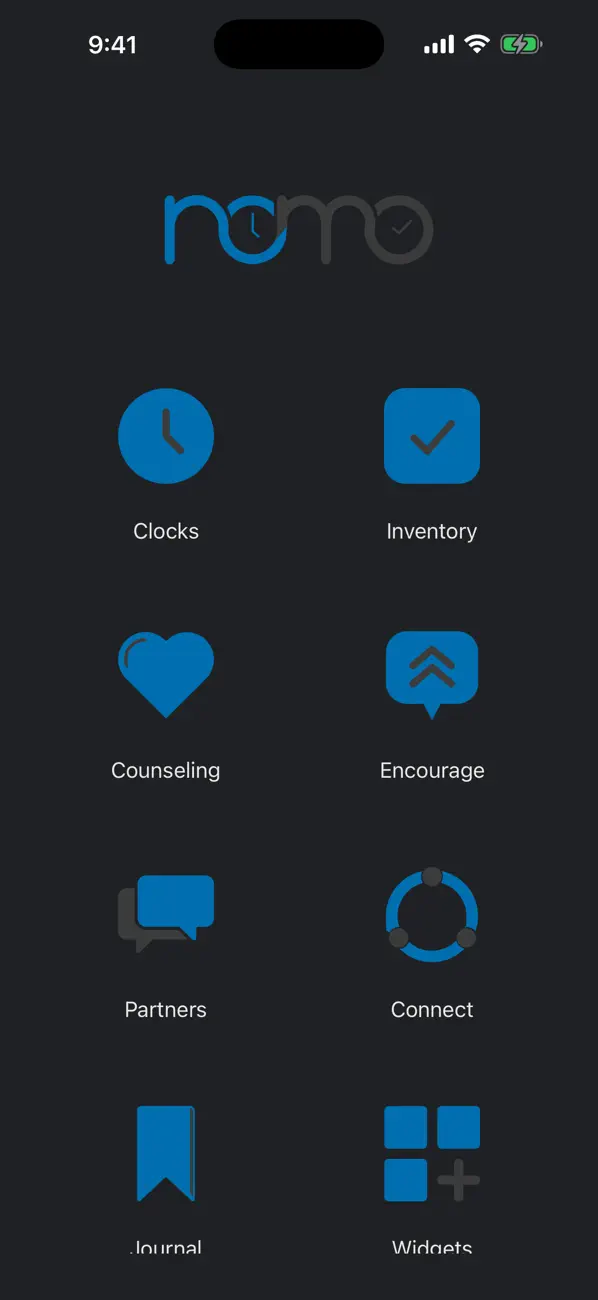
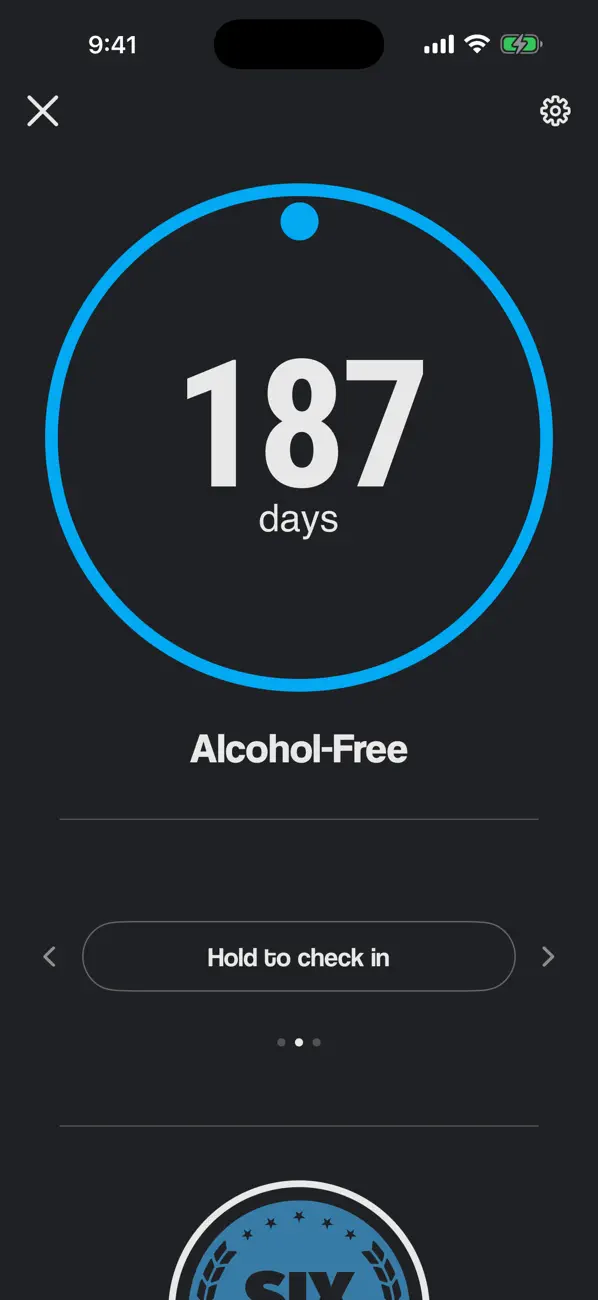
Nomo lets you run several sobriety "clocks" side by side, which helps if you are tracking more than one goal. It is free to use and was built by someone in recovery.
The app adds accountability partners, encouragement chips you can share, and journaling. Because it is free, you can try it without committing to a subscription.
Price (US App Store / Google Play, checked October 2026): free on both stores, with no in-app purchases listed on either. The Google Play listing carries a "Contains ads" badge.
Best for: People who want free, flexible tracking with an accountability partner built in.
4. Loosid — best for a sober social network and events
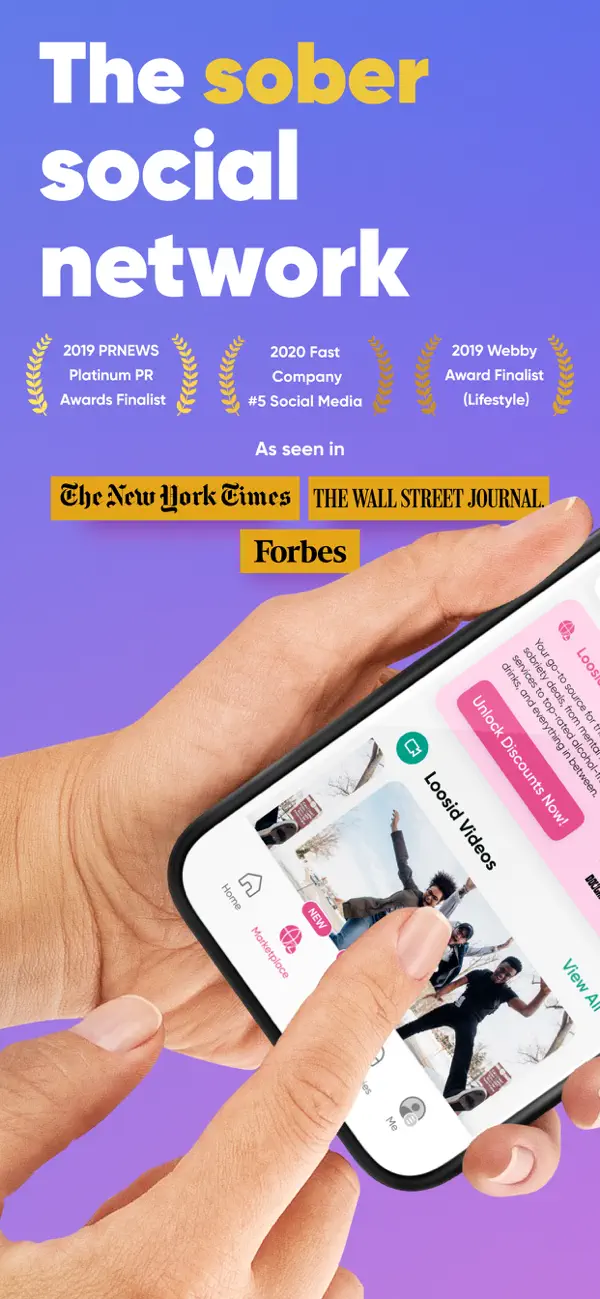
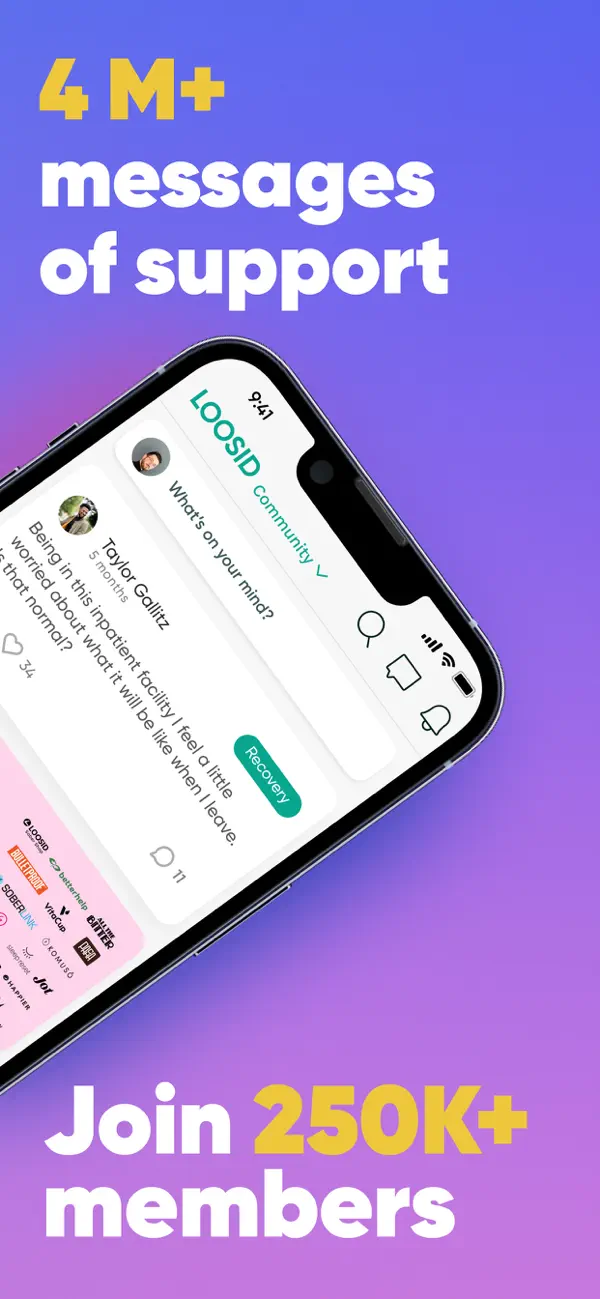
Loosid is built around community more than counting. It works like a social network for sober living, with groups, content, and sober-friendly dating and events.
It still tracks days, but the real draw is connection with others on a similar path. The core app is free, with optional premium features.
Price (US App Store / Google Play, checked October 2026): free to download. On the App Store, Sober Plus costs $12.99 a month; dating upgrades and SAM, its Sobriety and Addiction Mentor feature, are priced separately, from $9.99 a week to $79.99 for six months. Google Play lists in-app purchases from $0.99 to $139.99 per item.
Best for: People who want social connection and a sense of belonging in sobriety.
5. Reframe — best for cutting back with a science-based program
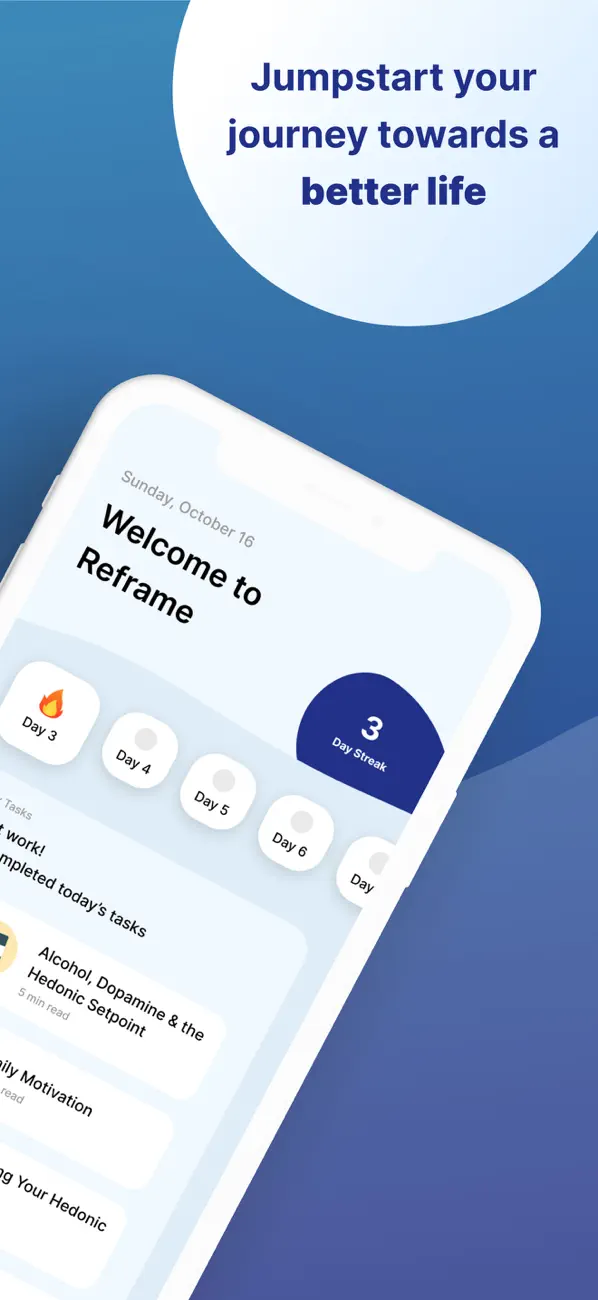
Reframe focuses on changing your relationship with alcohol, often by cutting back rather than quitting outright. It pairs tracking with daily lessons and exercises.
It runs on a subscription, usually with a trial. Because it leans on structured content, it suits people who want a guided program, not just a counter.
Price (US App Store / Google Play, checked October 2026): free to download, and the App Store listing offers a 7-day free trial. After that, App Store subscriptions run from $13.99 to $24.99 a month or $59.99 to $119.99 a year. Google Play lists in-app purchases from $4.99 to $79.99 per item.
Best for: People who want a structured, educational approach to drinking less.
6. Sunnyside — best for mindful drinking rather than full sobriety
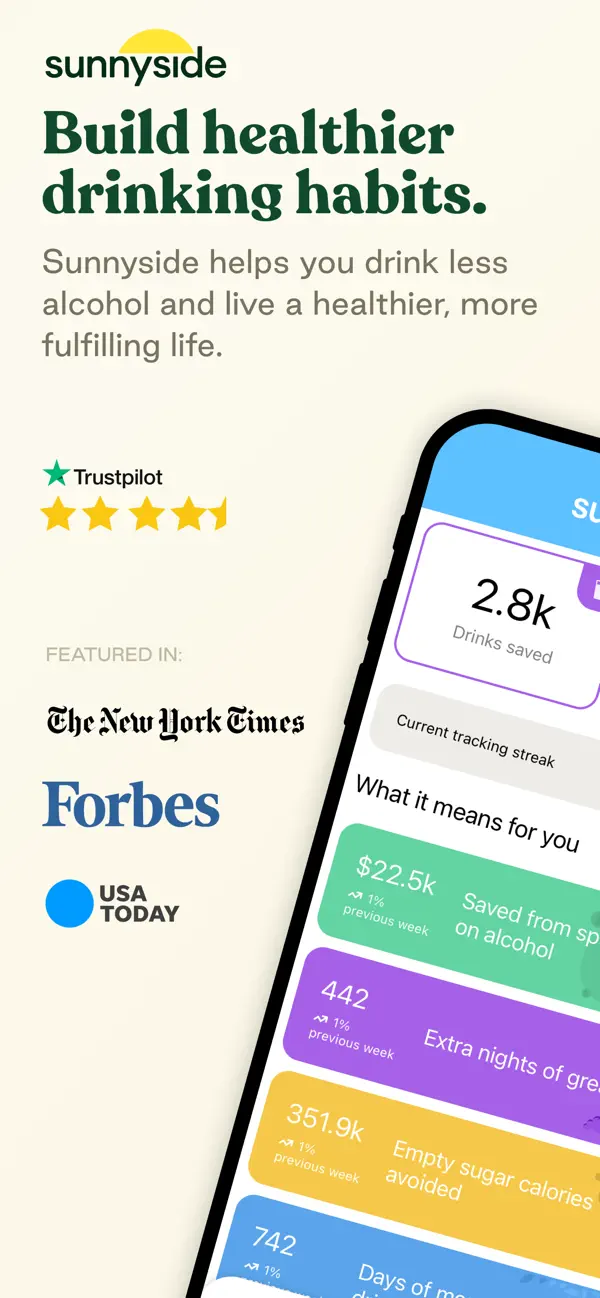
Sunnyside is built for mindful drinking. It helps you set limits and track units rather than aiming for total abstinence, using simple check-ins and planning prompts. If you want a rough sense of how those units add up, our free blood alcohol calculator estimates your BAC with the Widmark formula — an educational number only, never a green light to drive.
It is a paid service, typically with a trial. If your goal is moderation instead of zero, this is one of the few apps made for that.
Price (US App Store / Google Play, checked October 2026): free to download with a 15-day free trial, after which your card is charged. App Store in-app purchases list a Sunnyside Membership at $99.99 and a Premium Membership at $299.00; Google Play lists the same $99.99–$299.00 range per item.
Best for: People who want to drink less mindfully without committing to full sobriety.
7. Try Dry — best for tracking units, money, and calories
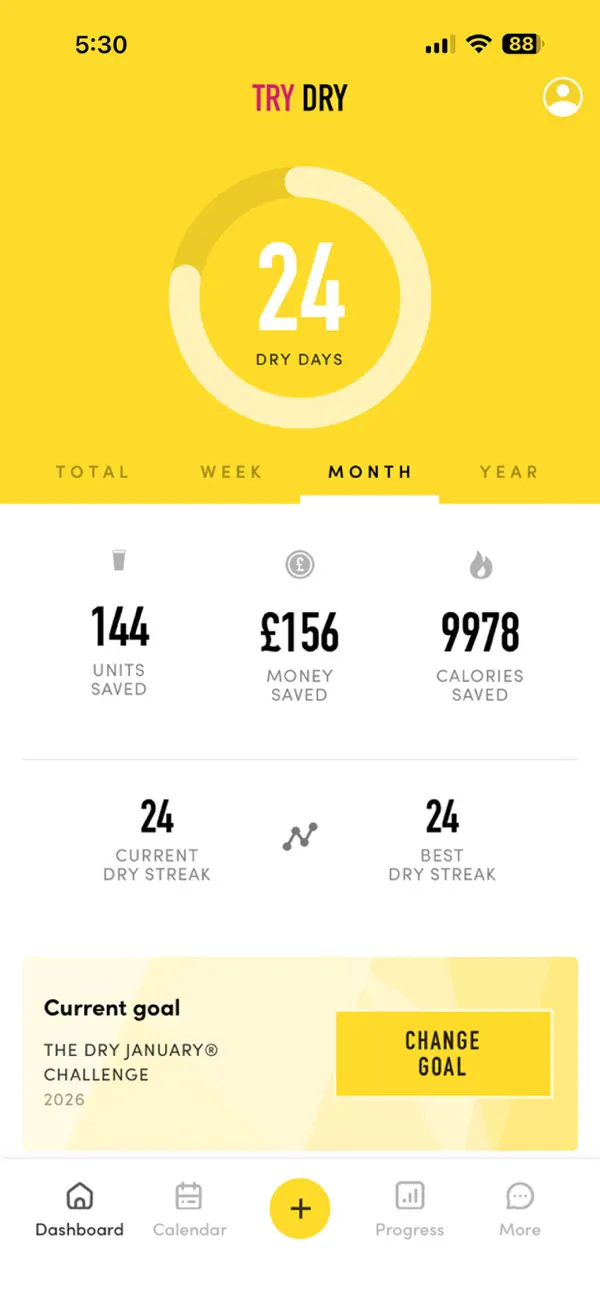
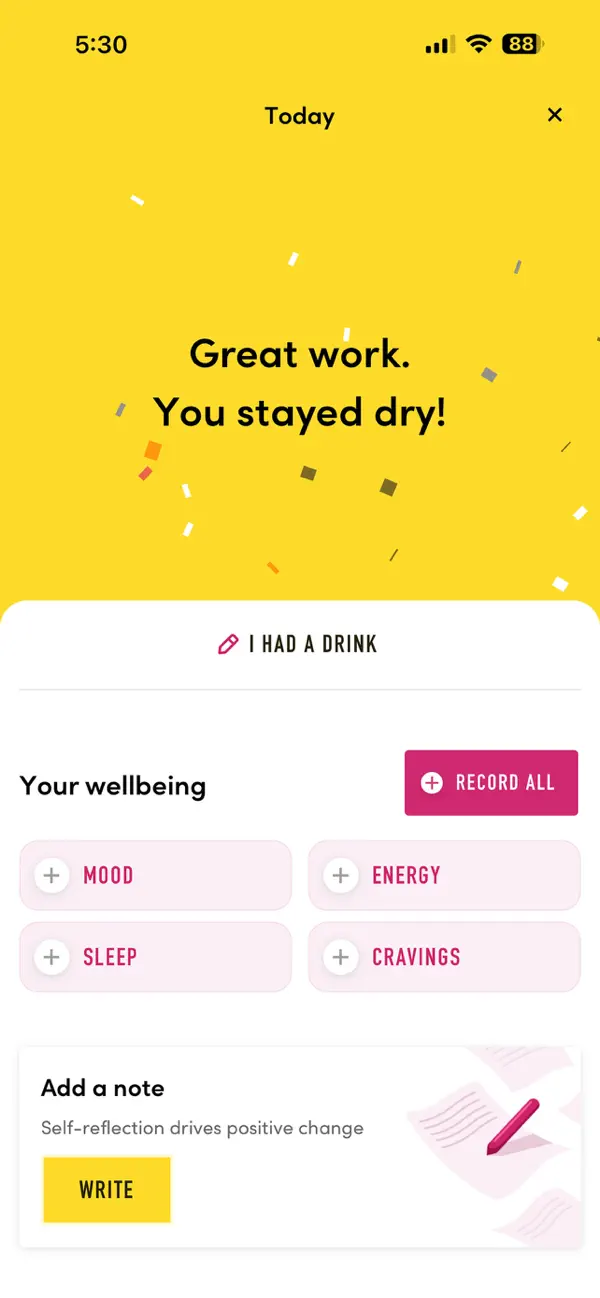
Try Dry comes from the UK charity Alcohol Change UK, the team behind Dry January. The app tracks alcohol units, money saved, and calories avoided alongside your dry days.
It is free and works whether you are taking a short break or making a longer change. The charity backing gives it a clear, non-commercial focus.
Price (US App Store / Google Play, checked October 2026): free on both stores, with no in-app purchases listed on either and no ads badge on Google Play. The App Store description says it is "Entirely funded by the charity Alcohol Change UK."
Best for: People who want a free, no-pressure tracker for dry days and savings.
8. EasyQuit sobriety counter — best for an alcohol-focused day counter
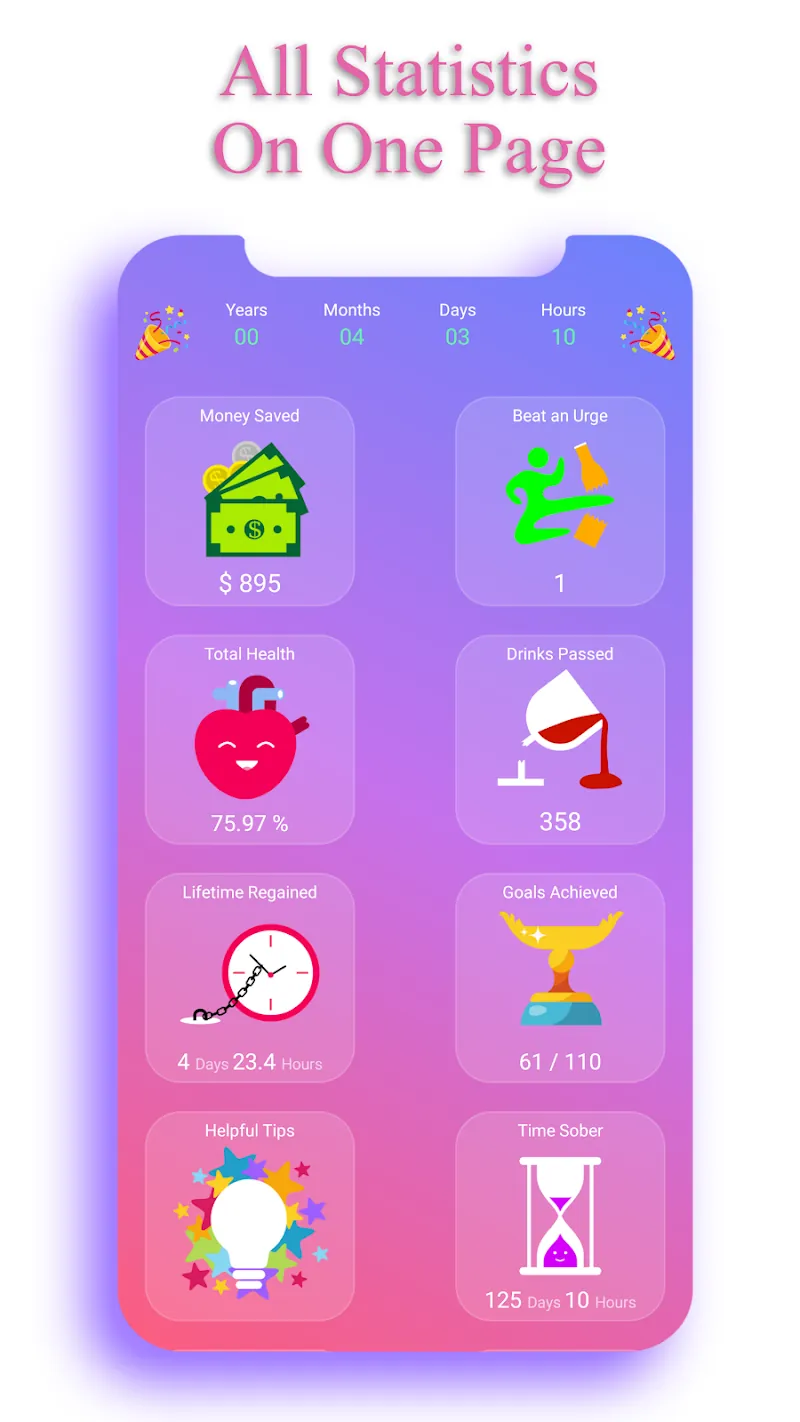
Several apps share the "Quit Drinking" name across the app stores. The one picked here is listed on Google Play as Sobriety Counter - EasyQuit. It centers on a clean alcohol counter: elapsed time, estimated money saved, your personal motivations, and reminders.
It is a free download with ads, and the developer sells a separate paid edition. Its "quit slowly" mode is not a medical withdrawal plan, so if you may be dependent on alcohol, get medical advice before stopping or cutting down.
Price (Google Play, checked October 2026): free to download, with a "Contains ads" badge and no in-app purchases listed. The separate paid edition, Sobriety Counter - EasyQuit pro, costs $10.99, and its listing carries no ads badge.
Best for: Android users who want a simple, alcohol-specific day counter.
What to look for in a sober tracker
Before you compare names, it helps to know which features actually matter day to day. A few are worth weighing more than the rest.
An easy reset. Setbacks happen. Look for an app that lets you reset or edit your start date without guilt-tripping you or hiding the button. A tracker that treats a reset as a normal step, not a failure, is one you are more likely to keep using.
Reminders you control. A gentle daily nudge can keep the habit front of mind, but only if you can set the time and tone. Apps that let you customize or mute reminders tend to fit real life better than ones that buzz on a fixed schedule.
Honest milestones. Money-saved and health estimates are motivating, but they are estimates. Treat them as encouragement, not exact math, and pick an app whose milestones feel meaningful to you rather than gimmicky.
A privacy model you understand. Some apps keep everything on your phone; others require an account or sync to the cloud. Neither is wrong, but you should know which one you are choosing before you log anything personal.
How to pick the right sober tracker
Start with your goal. If you are aiming for full sobriety, a dedicated day counter like I Am Sober, Sober Time, or Nomo fits well. If you are cutting back, Reframe or Sunnyside are built for moderation.
Next, think about community. If connection keeps you going, lean toward Loosid or Sober Time. If you prefer privacy, a quieter counter like Nomo or Try Dry may suit you better.
Then weigh cost and data. Nomo and Try Dry are fully free. If you want your information to stay on your own device, check each app's privacy policy first, since some sync to the cloud or build a profile.
Finally, match the app to the moment. In early recovery, milestone badges and a daily pledge can carry real weight. Later on, you may want fewer prompts and a calmer record of your progress.
For a compassionate, clinical perspective on alcohol use disorder, recovery, and sobriety, this talk from Weill Cornell Medicine is worth your time — a reminder that apps complement, rather than replace, professional treatment.
Tracking the habits that support your sobriety
Counting days is one piece. The other is building the daily habits that protect your sobriety — sleep, exercise, journaling, meetings, or a morning routine. That is a different job, and it is where a general habit tracker can help.
Here is the honest gap: dedicated sobriety apps win on milestone gamification and community. A habit tracker like HabitBox is not a sobriety counter and will not replace one. What it does well is let you track a private daily checklist of the routines that keep you steady.
HabitBox is privacy-first — your data stays on your device, with no account required. You can mark "stayed sober today" as one simple habit and watch the streak build, right alongside the supporting habits you care about. If you want to pair a day counter with a quiet, ad-free way to track those daily habits, our guide to the best habit tracker apps compared is the place to start. HabitBox is free to start, with an optional Plus upgrade if you outgrow it; our free habit tracker guide covers what else to weigh up.
Sober tracker FAQ
What is a sober tracker?
Do sober tracker apps work if I am not in AA?
Are sober tracker apps private?
Can I reset my sober date if I have a setback?
Is a sober tracker a substitute for treatment?

Mira Hartwell
Editor, HabitBoxEditor at HabitBox. Writes about habit science and productivity, grounding every post in named research (Lally, Wood, Walker, Huberman) instead of recycled advice. Read full bio →