Mood Tracker App: Daily Check-In Habit Guide (2026)
# Mood tracker app: how to build a daily check-in habit
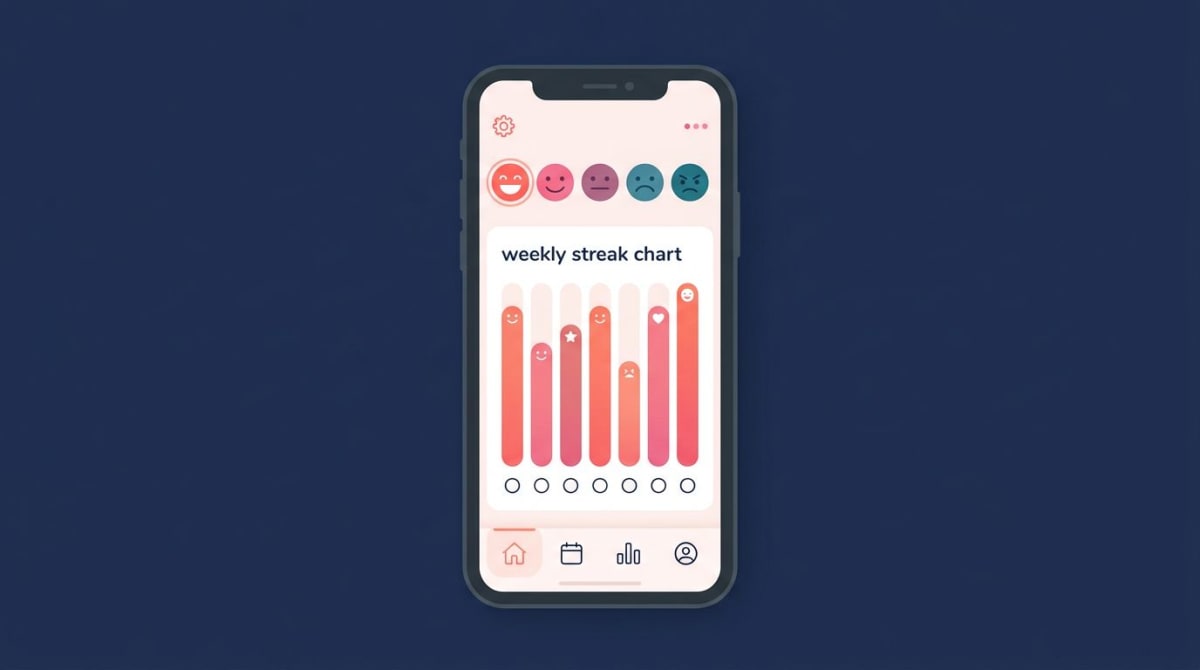
A mood tracker app turns "pay more attention to how I feel" into a 30-second daily habit. The good ones use one-tap emoji logging, a gentle reminder, and a streak chart so your brain gets a small reward each time you check in. Most people who stick with it for 3-4 weeks start to spot patterns — energy dips after late nights, mood lifts after a walk, the same Sunday slump every week.
This guide compares 6 popular mood tracker apps on the features that decide whether you stick or quit, walks through the research on why a daily check-in works, and lays out a 30-day starter plan.
TL;DR: A mood tracker app builds a 30-second daily check-in habit through emoji logging, reminders, and a streak view. UCL research suggests new habits take a median of 66 days to form, so plan for 8-10 weeks before logging feels automatic. Pick an app with one-tap entry, anchor it to morning coffee or another routine, and use streaks for momentum — not punishment.
What is a mood tracker app?
A mood tracker app is a mobile app for logging how you feel each day in seconds, usually by tapping an emoji or picking a number on a scale. Most also let you tag what you did (sleep, exercise, social time) so you can see how activities map to mood over weeks. The best apps add reminders, a streak view, and a chart that shows trends without making you read a spreadsheet.
A mood tracker app is not a therapist or treatment plan. It is a habit-formation tool that helps you notice patterns. If symptoms persist or feel overwhelming, talk to a licensed professional — the APA has guidance on when to seek support.
Why a daily mood check-in works (the science)
Three lines of research explain why this small habit punches above its weight.
1. Naming an emotion changes how it feels. A UCLA study by Matthew Lieberman and colleagues found that simply labeling a feeling in words reduced activity in the amygdala — the brain's threat center. Tapping the worried emoji turns down the volume on the feeling itself. This is called affect labeling, and it is one reason a 10-second log can feel surprisingly settling.
2. Habits form through cue, behavior, and reward. Wendy Wood, the USC behavior scientist behind Good Habits, Bad Habits, spent decades showing that habits are context-driven, not willpower-driven. A mood tracker app builds in all three pieces: a reminder (cue), a one-tap log (behavior), and a streak that grows (reward). The app does the remembering for you.
3. New habits take longer than people expect. A University College London study by Phillippa Lally found that participants needed a median of 66 days to make a new behavior automatic, with some taking up to 254 days. The "21 days" myth has no real research behind it. BJ Fogg's behavior model adds the rest of the recipe: when motivation is low, only the behaviors you have made very small and very easy will stick. A 30-second emoji tap clears that bar. A 5-paragraph journal entry usually does not.
For a practical walkthrough of what tracking your mood actually surfaces over a few weeks — and how to turn those patterns into a useful next step — this clinician-style breakdown is the cleanest 10-minute primer:
The 6 best mood tracker apps in 2026
| App | Platform | Free tier | Streak view | Reminders | Best for |
|---|---|---|---|---|---|
| Daylio | iOS, Android | Yes | Yes | Yes | Beginners, fastest entry |
| Bearable | iOS, Android | Yes | Limited | Yes | Symptom + habit tracking |
| How We Feel | iOS, Android | Free | No | Yes | Emotion vocabulary |
| Moodflow | iOS, Android | Yes | Yes | Yes | Visual journaling fans |
| Apple Health (Mood) | iOS only | Free | No | Yes | iPhone users in HealthKit |
| HabitBox (general tracker) | iOS, Android | Yes | Yes | Yes | Mood + 3-5 other habits |
1. Daylio — fastest daily entry
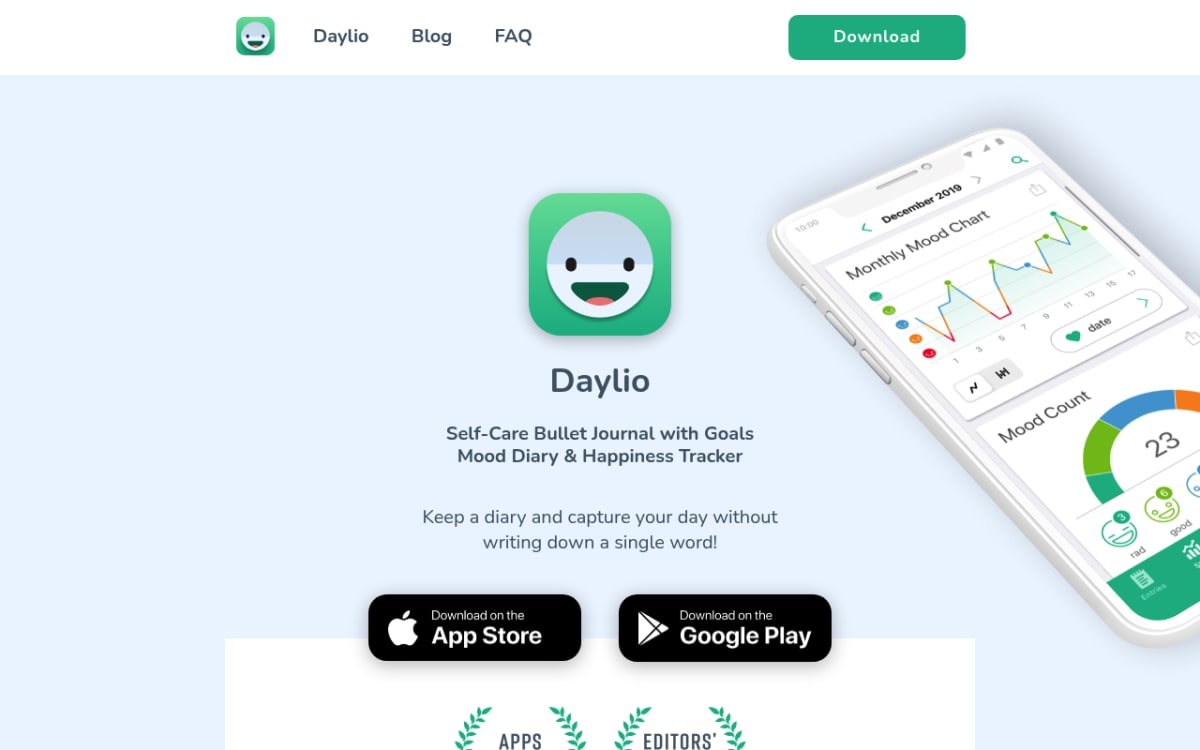
Daylio is the category leader: a mood entry takes about three taps. You pick a face (great, good, meh, bad, awful), tag what you did, and you are done. The free tier is generous, the streak counter is front and center, and reminders are reliable. Pro ($35.99/year) unlocks data export. If you have never tracked mood before, Daylio is the lowest-friction starting point.
Rating: (4.5/5)
2. Bearable — best for symptom and habit tracking
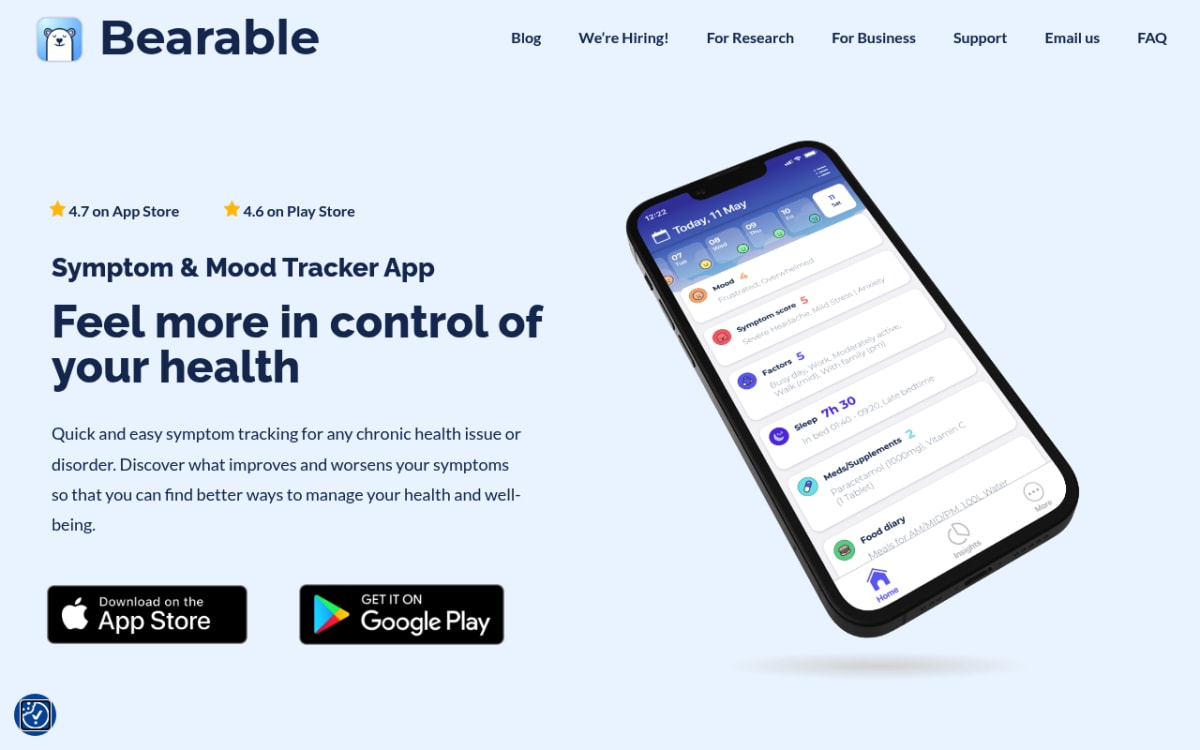
Bearable is a step deeper. Alongside mood, you log sleep, energy, pain, medication, food, and any custom factor. Then it cross-correlates: does your mood drop on days under 6 hours of sleep? For people working with a therapist, it is the most data-rich tool here. The catch is depth — daily logging takes minutes, not seconds.
Rating: (4/5)
3. How We Feel — best emotion vocabulary
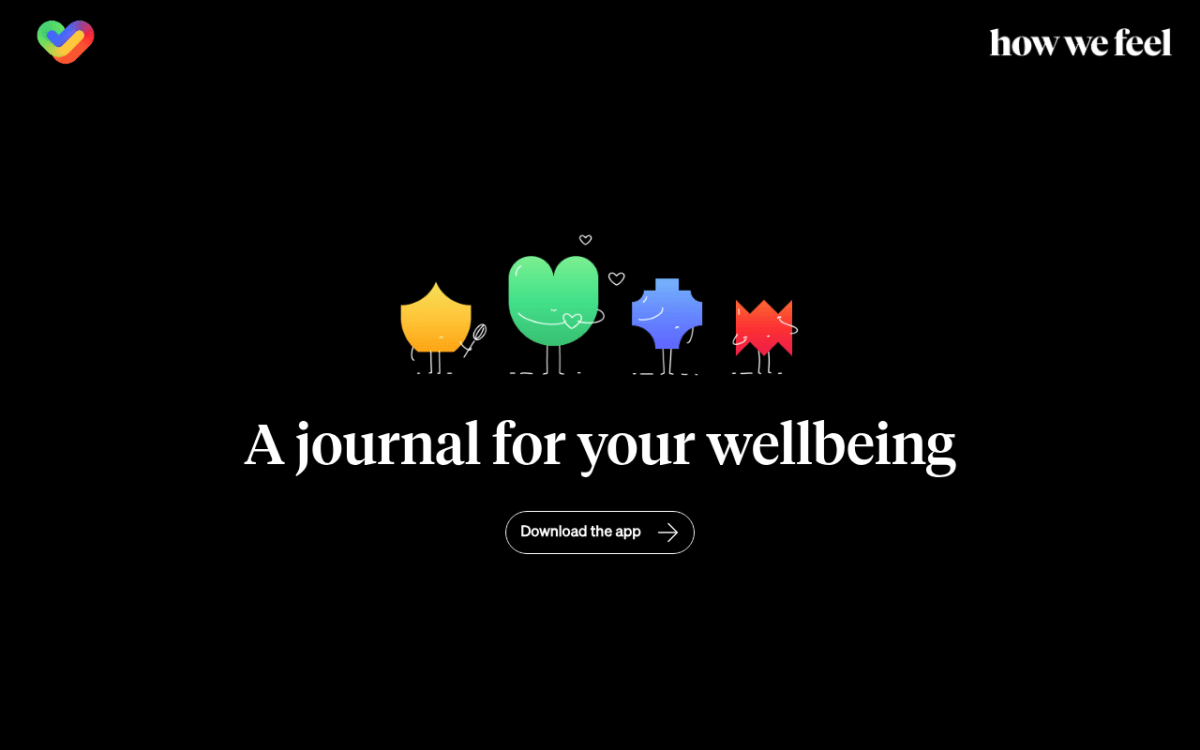
How We Feel was built by a non-profit that includes the team behind Yale's emotion-research center. Instead of five faces, it presents a four-quadrant grid (high/low energy, pleasant/unpleasant) and helps you name the specific emotion: not "bad" but "anxious" or "discouraged." That precision is the affect-labeling research in app form. The trade-off is no streak counter and a slower entry.
Rating: (4/5)
4. Moodflow — visual mood journaling
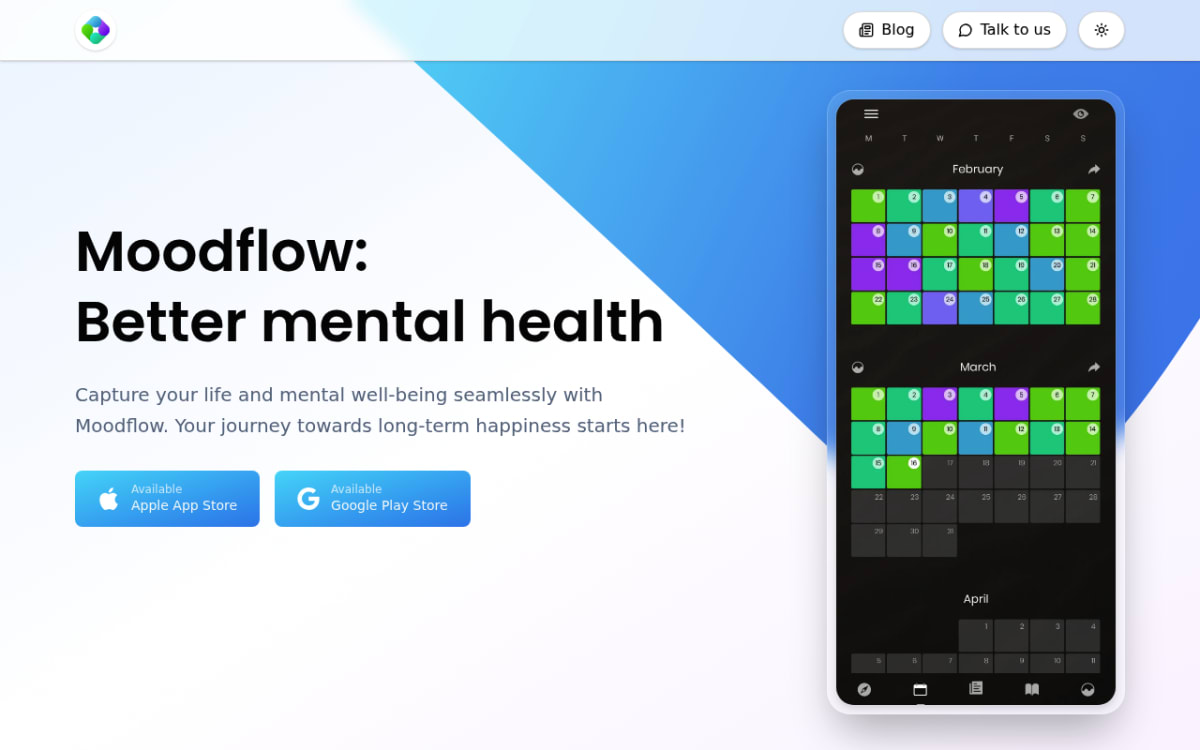
Moodflow blends mood logging with brief journaling. Each entry includes mood, factors, and an optional note, and you get a visual timeline that looks more like a heatmap than a list. Pick Moodflow if you want to write 1-2 sentences a day and like seeing your year as a color-coded grid.
Rating: (4/5)
5. Apple Health (Mood) — built into iOS

If you already live in Apple Health, the iOS State of Mind logging feature is a respectable free option. You log how you felt and tag what influenced it, and the data sits in HealthKit alongside sleep and activity. There is no streak counter and no Android version, but the integration with the rest of your health data is unmatched.
Rating: (3.5/5)
6. HabitBox — best when mood is one of several habits
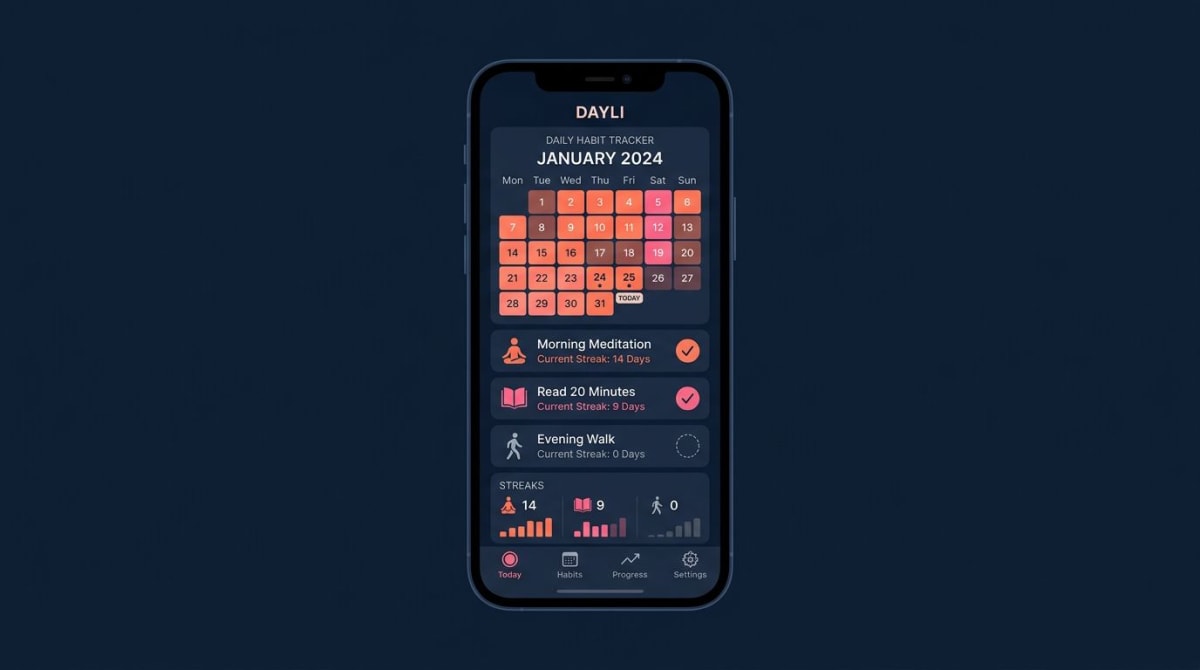
HabitBox is a general habit tracker, not a dedicated mood app. The reason it earns a spot here: most people who want to log mood also want to track sleep, exercise, reading, or meditation. A general tracker handles all of them in one screen with a calendar heatmap, streak counter, and reminders.
You set up a "Daily mood check-in" habit, customize an emoji, and log it with one tap. The streak shows up next to your other habits — same context, same trigger, same reward. If mood is the only habit you care about, Daylio is faster. If it sits inside a broader habit stack, HabitBox keeps everything in one place.
Rating: (4.5/5)
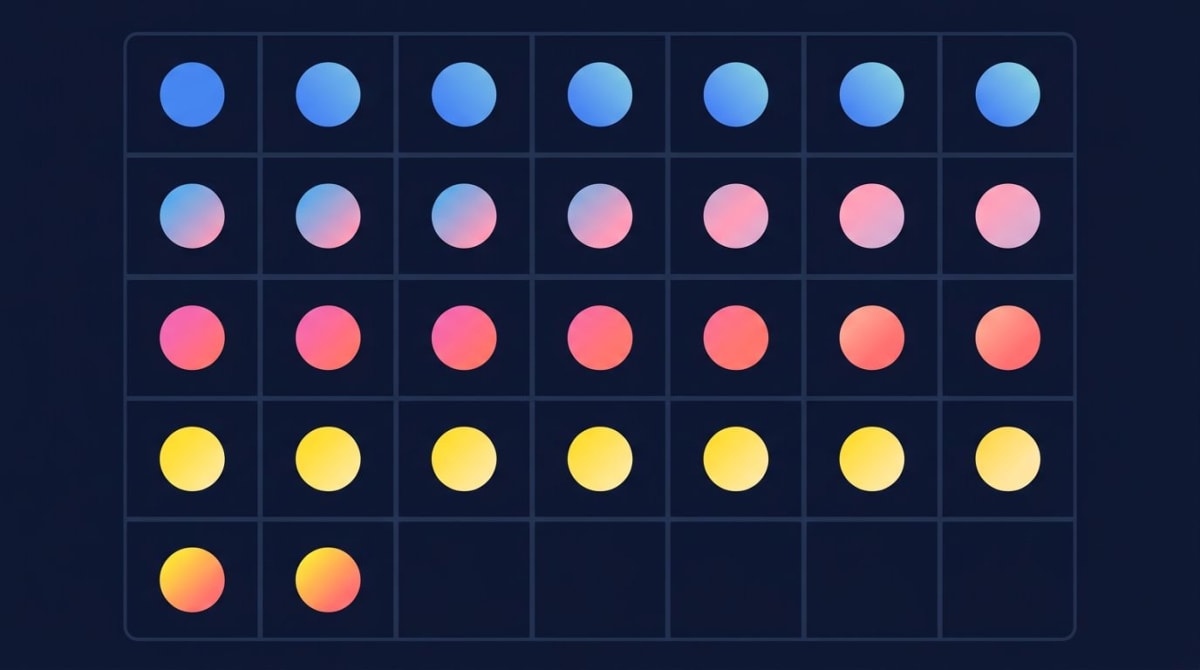
How to actually build the daily check-in habit
Picking an app is the easy part. Building the habit is where most people stall by week two.
1. Pick one anchor cue
Habit stacking — pairing a new behavior with one you already do every day — is the highest-leverage move. Choose one existing routine and attach the mood log to it:
- After your first sip of morning coffee or tea
- Right after brushing your teeth at night
- When you sit down at your work computer
- Before you put your phone on the bedside table
Pick one. Not three.
2. Make the entry tiny
Aim for under 30 seconds. One emoji, one tag, optional note. James Clear writes that any new habit should take under two minutes in its first form. If you find yourself dreading the log, you have made it too big.
3. Set one reminder, not five
A single reminder anchored to your chosen time beats four scattered through the day. Multiple pings train you to dismiss them.
4. Use streaks for momentum, not pressure
The streak counter is there to celebrate consistency, not to shame you on day 11 when you forget. If you miss a day, log the next day. Researchers call this the "never miss twice" rule.
5. Review weekly, not daily
Pick a 5-minute slot — Sunday evening works for many — and scan the week. Looking at your chart every day will make you anxious about a single bad day. Over a few weeks, real signal emerges.
A 30-day mood tracking starter plan
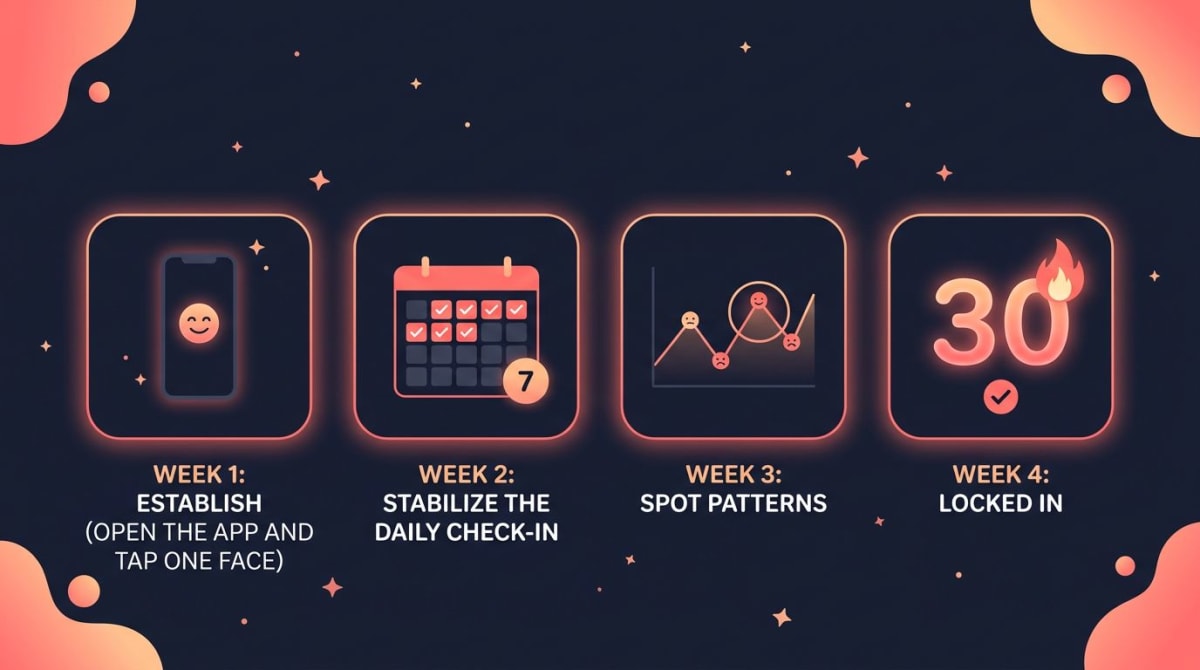
| Phase | Days | Goal | What to track |
|---|---|---|---|
| Week 1 | 1-7 | Build the cue | Just the mood emoji. Nothing else. |
| Week 2 | 8-14 | Add 1 tag | Mood + one factor (sleep, exercise, social) |
| Week 3 | 15-21 | Add a 1-line note | Mood + tag + one sentence on what stood out |
| Week 4 | 22-30 | First weekly review | Same logging + 5-minute Sunday review |
By day 30 you have a real dataset and a working anchor cue. By day 66 — the median from the UCL habit formation study — most people no longer have to think about it. If you also want to track sleep, exercise, or meditation alongside mood, tracking habits in one general app keeps the routine tight.
When the habit slips — how to recover
One missed day is not a broken habit. Log the next day and keep going.
Two missed days is a yellow light. Simplify before re-starting. Drop tags, drop notes, go back to one emoji a day. Keep the cue alive, not the quality bar.
A full missed week is a reset, not a failure. Restart from week 1. Most people who build a stable mood tracking habit do it on the second or third attempt.
If logging starts to feel like a chore, change something. Move the time. Switch the anchor cue. Try a simpler app. Friction is the killer.
If your mood entries themselves are consistently low for two weeks or more, or you dread the check-in for emotional reasons, talk to a licensed mental health professional. The NHS five steps to mental wellbeing is a useful starting point for general wellbeing habits, but a tracker is data, not a treatment plan.
How to pick the right mood tracker app
If you want the lowest-friction start, use Daylio. If you want emotion-vocabulary depth, use How We Feel. If you are tracking 3 or more other habits, a general tracker keeps mood logging in the same daily routine instead of a siloed app. Our best habit tracker app comparison covers the full general-purpose category. The right app is the one that survives week three. Pick by friction, not features.
Frequently asked questions
Start your daily check-in tonight
The habit is smaller than you think — one emoji, one anchor cue, 30 seconds. The science says it takes weeks, not days, before it feels automatic, so be patient with the streak. If you want mood logging alongside the rest of your habits in one place, HabitBox lets you set a daily mood check-in next to your sleep, exercise, and reading habits, with a calendar heatmap that shows them all at once. Pick the app that survives week three, and let the patterns reveal themselves.

Mira Hartwell
Editor, HabitBoxEditor at HabitBox. Writes about habit science and productivity, grounding every post in named research (Lally, Wood, Walker, Huberman) instead of recycled advice. Read full bio →
Ready to build better habits?
HabitBox makes it easy to track your habits, build streaks, and achieve your goals — no fluff, just results.